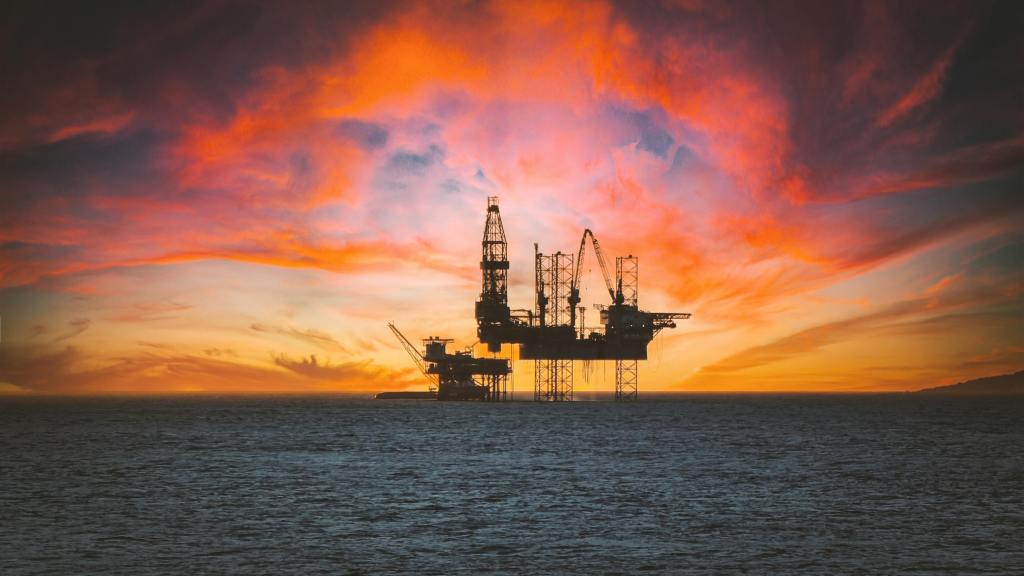
Oil above $100. Hormuz closed. Seems to be a lot of panic. Sounds bad, doesn’t it?
Just a reminder that from 2010 to 2014, real oil prices were significantly higher than today — and today’s price already reflects a war premium. That elevated period lasted four years, in a more oil-dependent global economy. Nothing broke. In fact, it was a pretty good 4-year period. Certainly those of us in developed economies weren’t living badly in 2014. In fact many people would take 2014 right now. So on the economics of this, I think I am missing something.
Yes, 20% of global supply transits Hormuz (IEA data). But the obvious counter to this is 80% of supply doesn’t. Oil is tradeable. Barrels can reroute. For example, Russian “sanctioned” oil found buyers rather quickly as far as I can tell.
I understand there is a problem of refinery configuration, particularly in Asia as they are built for Gulf oil. Not my specialty but it makes sense in economic terms as the product is less interchangeable. I don’t doubt the experts who say this is true, but it must be temporary as it can be solved with investment. Over a reasonable enough time period, almost all energy sources are interchangeable, hence their prices typically correlate.
Meanwhile oil is only 30% of global primary energy, down from 46% in 1973 (IEA data). Oil intensity per unit of GDP — the amount of oil needed to produce a unit of economic output — has fallen almost every year for 40 years. The world economy is structurally less exposed to an oil shock than at any point in the modern era.
And then there is the futures market. I understand both WTI and Brent futures markets currently show steep backwardation — meaning traders expect today’s elevated price to fall significantly. Interestingly, and please correct me if you are deep into energy market trading, but I also understand this steep backwardation was not a feature of the 2010 to 2014 period, when high real oil prices were treated more as the new normal. So traders today appear not to be pricing in a permanent high oil price, but I genuinely don’t know why. I can think of three explanations. It could be the market thinks the strait will reopen and the conflict dies down. Or it could be that the market believes other supply sources are cheap and plentiful. Or it could be that the market believes the world’s ability to shift away from oil on the demand side is strong. Or it is a probability-weighted bet on all of these possibilities. The explanations all lead to the same place though: the market, with all available information, is not currently pricing a global catastrophe.
So why don’t we just walk away? The market will sort it out.
I think the answer is we probably could, economically, but there are other reasons to persist that aren’t economic. Geopolitical reasons. Gulf allies abandoned, Iranian regime left unchecked, and a regional vacuum that nobody wants filled the way it could be filled.
Those are legitimate reasons. But they’re different reasons. And I’d rather we argued for them honestly than dressed up as an economic catastrophe.
So, any energy economics experts out there? Tell me what am I missing? I could be ignorant (often am) but I can’t see the economic case for panic.
 David Jackson
Leave a comment